

Introduction
Since the first regulatory approval of a BiTE in 2014, the bispecific T-cell engager (BiTE) family has dramatically redefined the therapeutic landscape for relapsed/refractory hematologic malignancies (R/R HMs) by redirecting endogenous T cells to eliminate tumors via simultaneous engagement of CD3 and tumor-associated antigen [1,2]. Notably, the first-in-class BiTE targeting CD19 (blinatumomab) has advanced from a second-line option to frontline therapy for acute B-lineage leukemia, representing a paradigm shift toward chemotherapy-free regimens [3,4]. Over the past five years, the scope of BiTE therapy has expanded to include more tumor targets prevalent in lymphoma and multiple myeloma (MM), including CD20, BCMA, and GPRC5D [5,6,7]. More recently, the clinical application of BiTEs has extended beyond oncology, with emerging reports of compassionate use in treatment-refractory autoimmune connective tissue diseases, including antisynthetase syndrome and systemic sclerosis [8]. Such therapeutic expansion not only underscores the versatility of BiTEs but also highlights the pressing need for a comprehensive safety characterization.
This safety characterization is particularly critical given the distinct toxicity profile associated with BiTEs, most notably cytokine release syndrome (CRS) and immune effector cell-associated neurotoxicity syndrome (ICANS), which pose considerable challenges for clinical management [9,10]. However, current understanding of BiTE safety remains largely derived from clinical trials or observational studies, which are constrained by stringent eligibility criteria, modest sample sizes, and short follow-up durations and are thus are inherently unable to detect delayed or rare but fatal AEs that may only emerge in diverse, real-world patient populations [11]. Although post-marketing safety surveillance is mandated, its scope is often insufficient to close this evidence gap, underscoring the critical need for large-scale pharmacovigilance studies leveraging comprehensive, real-world data to systematically evaluate BiTE-related toxicities. Notably, previous pharmacovigilance studies have predominantly focused on safety signals associated with individual BiTE agents, lacking systematic subgroup comparisons among BiTEs that could elucidate heterogeneity in safety profiles [12,13]. Moreover, these investigations have largely emphasized AE incidence while overlooking fatality rates, an approach that may obscure low-frequency but high-risk toxicities and misalign clinical monitoring priorities [13,14].
Additionally, the toxicity profile between BiTEs and CAR-T therapy has garnered increased scrutiny, a concern directly extended from the black-box warning for secondary malignancies associated with CAR-T therapy [15,16]. Given their mechanistic similarities in T-cell activation and the potential for genomic stress, both immunotherapies now necessitate rigorous pharmacovigilance studies [17]. To address these gaps, we utilized data from the FDA Adverse Event Reporting System (FAERS) and the WHO global database of Individual Case Safety Reports (VigiBase) spanning 2015 to 2025. This study aims to characterize the contemporary real-world safety profile and temporal kinetics of BiTEs, evaluate safety heterogeneity across different targets, indications, and patient demographics, and stratify clinical risks by integrating both incidence and fatality rates to hierarchize toxicity. Additionally, a head-to-head comparison of toxicity profiles between BiTEs and CAR-T therapies was conducted to delineate their distinct safety patterns and optimize toxicity management strategies. Our findings are intended to provide pivotal real-world evidence to optimize clinical surveillance and risk-mitigation strategies for BiTEs within the evolving immunotherapy landscape for HM.
Methods
Data sources
This retrospective observational study evaluated the safety profile of BiTEs in hematological malignancies (HMs) using data from two major pharmacovigilance databases, FAERS and VigiBase. FAERS contains adverse event (AE) reports from US-based and international contributors, while VigiBase, maintained by the Uppsala Monitoring Centre, aggregates global reports from member countries [18,19]. The data collection period spanned from January 2015 to September 2025 for FAERS and January 2015 to October 2025 for VigiBase. For FAERS cases, HMs were identified based on reported indications and mapped to preferred terms (PTs) in the medical dictionary for regulatory activities (MedDRA) version 25.1 (Supplementary Table 1). In VigiBase, diagnoses were retrieved by matching indications against MedDRA v25.1, as well as international classification of diseases-9 (ICD-9) and ICD-10 codes. Within the ICD framework, cases were screened using codes C81–C96 (“malignant neoplasms of lymphoid, hematopoietic and related tissue”). Case retrieval targeted specific BiTE agents: CD19-directed blinatumomab; CD20-directed glofitamab, epcoritamab, and mosunetuzumab; BCMA-directed teclistamab and elranatamab; and GPRC5D-directed talquetamab. To ensure data quality, analyses were restricted to cases designated as “primary suspect” in FAERS or “suspect” in VigiBase.
Data processing procedure
We applied established data mining techniques, consistent with our previous pharmacovigilance research, to comprehensively characterize the safety landscape of BiTEs [20,21]. Duplicate reports were removed to ensure data integrity. In FAERS, duplicates were defined as records sharing identical values across “sex,” “age,” “country,” “event date,” “adverse reaction,” “drug,” and “indication” fields; for records with the same caseid, the entry with the highest primaryid (representing the most recent update) was retained [22]. For VigiBase, deduplication was conducted using the database’s proprietary algorithm [23]. To mitigate indication bias, we manually curated data regarding BiTE-associated second primary malignancies (SPMs). Applying established inference criteria [21], cases with ambiguous causal attributions, where the distinction between the AE and the primary indication remained indeterminate, were excluded (Supplementary Table 2). Ultimately, 782,838 AE reports from FAERS and 741,448 from VigiBase involving patients with HMs were retained, with 9,350 and 9,578 reports specifically implicating BiTE agents, respectively (Figure 1).
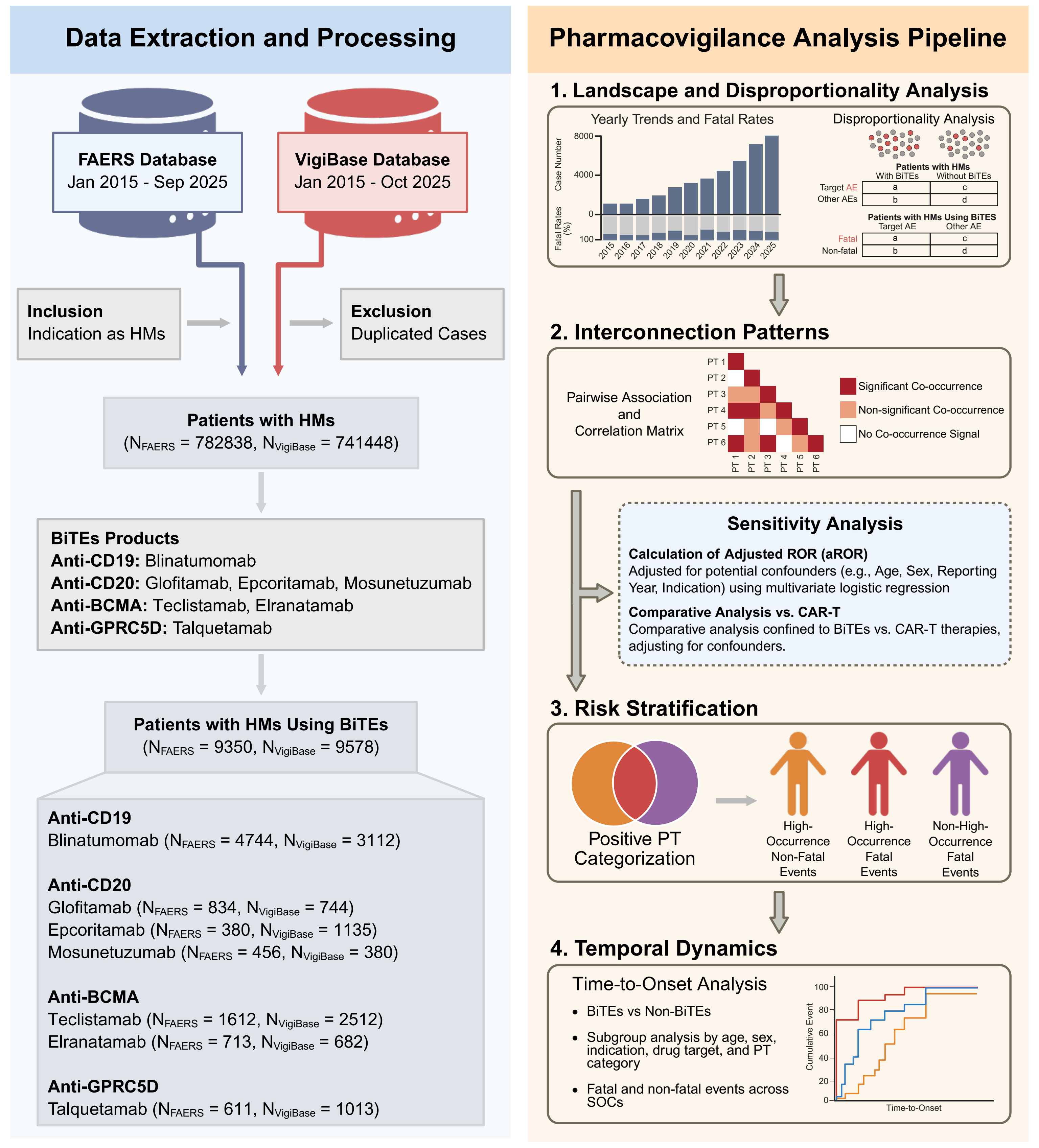
Figure 1. Flowchart of data processing and pharmacovigilance analysis.
Created in BioRender. Shen, J. (2026) https://BioRender.com/v3leio8.
Disproportionality analysis and signal detection
Disproportionality analysis was employed to assess potential associations between AEs and BiTEs. We utilized the reporting odds ratio (ROR) to quantify the likelihood of target AEs occurring in suspected association with the drug of interest [24]. For the primary disproportionality analyses, AE reports involving patients with HMs who received non-BiTE therapies served as the reference group. This disease-restricted comparator was selected instead of the entire database population to reduce confounding by indication and improve comparability with respect to the underlying malignancy, baseline immune dysfunction, disease-related complications, and treatment patterns [25]. Separate 2×2 contingency tables were constructed for occurrence and fatality analyses (Supplementary Tables 3–4). The ROR and its 95% confidence interval (95% CI) were calculated using standard equations detailed in the Supplementary Methods. A positive occurrence signal was defined as a case count ≥3 and the lower limit of the 95% CI for the ROR >1 [22,26]. Similarly, a positive fatality signal was defined as a total number of reports for the target AE ≥10, a number of fatality cases ≥3, and the lower limit of the 95% CI for the fatality ROR >1. AEs satisfying these criteria concurrently in both databases were categorized as BiTE-associated high-occurrence AEs (BAHO-AEs) or BiTE-associated high-fatality AEs (BAHF-AEs). To account for confounders (age, sex, reporting year, and indication), multivariate logistic regression models were employed to calculate adjusted RORs (aRORs). Sensitivity analyses were conducted comparing BiTEs against CAR-T therapies, including CD19-directed agents (axicabtagene ciloleucel, brexucabtagene autoleucel, lisocabtagene maraleucel, tisagenlecleucel) and BCMA-directed agents (idecabtagene vicleucel, ciltacabtagene autoleucel). Finally, to construct a comprehensive clinical risk framework, events were stratified into three distinct clinical risk patterns based on the intersection of BAHO-AE and BAHF-AE criteria: (1) high-occurrence/non-fatal events (BAHO-nonBAHF): satisfying BAHO-AE criteria but lacking a significant fatality signal; (2) high-occurrence/fatal events (BAHO-BAHF): concurrently satisfying both BAHO-AE and BAHF-AE criteria; and (3) non-high-occurrence/fatal events (nonBAHO-BAHF): fulfilling BAHF-AE criteria while falling below the high-occurrence threshold.
Co-occurrence analysis
Pairwise co-occurrence and mutual exclusivity analyses were conducted on specific PTs to elucidate association patterns. Association strength was assessed using Fisher’s exact test, with P-values adjusted via the Benjamini-Hochberg procedure to control the false discovery rate (FDR). Significant co-occurrence was defined as FDR < 0.05, odds ratio (OR) > 2, and case count ≥ 5. Furthermore, to investigate potential synergistic toxicity, the fatality ROR was determined for pairwise combinations of non-significantly fatal PTs.
Time-to-onset analysis
In FAERS, time-to-onset (TTO) was calculated as the interval between the event onset date (EVENT_DT) and therapy start date (START_DT). In VigiBase, TTO values are pre-calculated by the UMC as a range (TTO_min to TTO_max). Following UMC recommendations, the TTO for individual reports was estimated as the arithmetic mean of TTO_max and TTO_min. To ensure precision, analyses were restricted to reports where the difference between TTO_max and TTO_min did not exceed 1 day.
Statistical analysis
Baseline characteristics were compared using the Chi-square test for categorical variables and the Mann-Whitney U test for continuous variables. Annual trends were visualized using histograms and line charts, fatality proportions were depicted via stacked bar charts, and ROR signal distributions were presented using heatmaps and forest plots. Anatomical heatmaps (generated via MOAHIT, https://smuonco.shinyapps.io/MOAHIT/) mapped the organ-specific distribution of AEs under each risk pattern [27]. For this visualization, each MedDRA PT was mapped to a single anatomical region using a prespecified hierarchical rule: PTs with an explicit anatomical site were assigned directly to the corresponding organ; otherwise, the primary MedDRA v25.1 SOC was used when it had a unique anatomical correlate. Multisystem or non-anatomical PTs without a unique organ assignment were retained in the quantitative and pie-chart analyses but were not displayed on the body map. Within each risk pattern, the FAERS case counts for PTs assigned to the same organ were summed and uploaded to MOAHIT as the organ-level value. Pie charts analyzed the compositional proportions of PTs. Differences in median TTO were evaluated using the Mann-Whitney U and Kruskal-Wallis tests. Furthermore, stratified analyses compared median TTO across subgroups defined by sex, age, drug target, indication, and risk pattern. Heatmaps were generated to visualize the temporal profiles and median TTO for SOCs associated with BAHO-AEs. All analyses were performed using R software (version 4.2.2), utilizing the ggplot2 package for visualization [28]. A two-sided P-value < 0.05 was considered statistically significant.
Results
Current overview of AE profile following BiTE therapy
As shown in Figure 2A, BiTE-related AE report counts increased substantially from January 2015 to October 2025, rising from 181 to 2,122 and from 107 to 2,958—approximately 11.7-fold and 27.6-fold increases, respectively—with particularly pronounced growth after 2022. Additionally, the proportion of BiTE-related AE reports among all AE reports from patients with HMs increased by 13-fold in FAERS (from 0.31% to 3.93%) and 34-fold in VigiBase (from 0.19% to 6.45%), respectively. Fatal AEs accounted for 23.3% and 18.5% of all reported AEs in FAERS and VigiBase, respectively (Figure 2A). A clear contrast emerged between SOC distributions in terms of case number and outcome severity (Figure 2B). The most frequently reported categories, besides infections, were nervous system disorders (NFAERS = 2,119; NVigiBase = 1,863) and immune system disorders (NFAERS = 2,041; NVigiBase = 2,256). While these SOC categories dominated in case numbers, their fatality rates were comparatively moderate (13-22%). Conversely, several relatively less frequently reported SOCs (case number less than 1,000) demonstrated a markedly higher propensity for fatal outcomes. Specifically, respiratory/thoracic/mediastinal disorders, neoplasms, hepatobiliary disorders, and cardiac disorders each had fatality proportion above 30%, far surpassing those of most high-occurrence SOCs. Infections and infestations stood out as a distinct exception, ranking highest in case volume (NFAERS = 2236; NVigiBase = 2302) while exhibiting high fatality proportion (FAERS: 34.1%; VigiBase: 25.1%) comparable to those of respiratory or cardiac disorders.
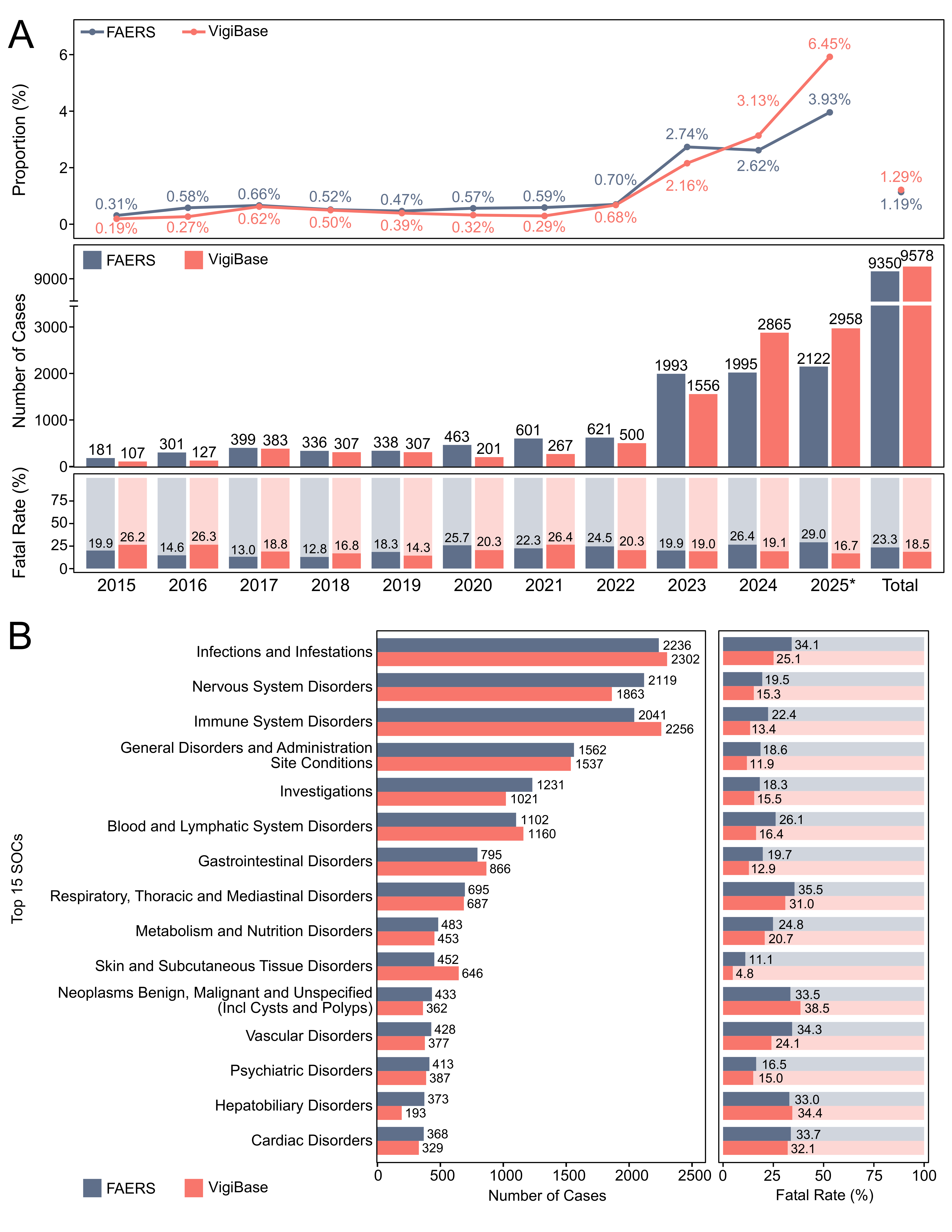
Figure 2. Temporal trends and SOC distribution of reported cases.
(A) Longitudinal trends of BiTE-related reports in FAERS and VigiBase. The bar chart displays the absolute number of cases, while the line graph represents the proportion of BiTE-related reports relative to all hematologic malignancy reports. The bottom heatmap indicates the fatality rate. The asterisk indicates that the 2025 data represent partial-year reports, covering reports through September 2025 for FAERS and October 2025 for VigiBase. (B) Distribution of reports across the top 15 SOCs. The left bar chart shows the number of cases associated with each SOC in FAERS and VigiBase, and the right chart displays the corresponding fatality rates.
Clinical characteristics of HM patients with and without BiTE therapy
Comparisons of demographics and clinical characteristics between BiTE and non-BiTE treated HM patients were summarized in Supplementary Tables 5 and 6. The BiTE cohort was notably younger than non-BiTE recipients (mean age in FAERS: 52.8 vs 64.8 years), with higher proportions of pediatric (< 18 years; FAERS: 12.01% vs. 3.64%; VigiBase: 5.80% vs 2.55%) and young adult patients (18-44 years; FAERS: 18.11% vs 6.79%; VigiBase: 12.99% vs 7.77%). Compared to non-BiTE cases, a higher proportion of AE reports came from BiTE recipients with leukemia (FAERS: 49.12% vs 29.91%; VigiBase: 30.54% vs 27.51%) and lymphoma (FAERS: 19.42% vs 17.67%; VigiBase: 25.44% vs 18.85%). The opposite trend was observed for MM, where AE reports from BiTE cases constituted a lower proportion (FAERS: 31.46% vs 52.42%; VigiBase: 44.02% vs 53.64%). For BiTE recipients, the fatality report proportion was comparable to non-BiTE recipients in VigiBase (18.50% vs 17.68%, P = 0.11) but significantly higher in FAERS (23.32% vs 16.04%, P < 0.001).
Identification and co-occurrence patterns of BAHO-AEs
A total of 198 BAHO-AEs across 16 SOCs were identified. BAHO-AEs with case counts ≥ 30 are displayed in Figure 3. BAHO-AEs with fewer than 30 cases are shown in Supplementary Figure 1. Infection-related BAHO-AEs were predominantly reported in individuals aged 45 years and above. The spectrum of reported neurological BAHO-AEs varied markedly by target, which was broadest and most frequent for anti-CD19 BiTE in ALL, more restricted for anti-GPRC5D/BCMA BiTEs in MM (with BCMA group showing weaker signals), and least frequent for anti-CD20 BiTEs in lymphoma. Similar target-specific patterns were observed in metabolism and nutrition disorders, psychiatric disorders, and hepatobiliary disorders. CRS emerged as the universal top-ranking immune system disorder, maintaining the highest BAHO-AE signal across all subgroups analyzed, irrespective of disease or demographic characteristics. In contrast, acute myeloid leukemia (AML) was largely confined to anti-CD19 BiTE in ALL patients, whereas skin and subcutaneous tissue disorders were primarily reported in anti-GPRC5D BiTE in MM. After adjusting for confounding factors, signals for 53 BAHO-AEs remained significant in both databases (Supplementary Figure 2A and Supplementary Table 7). AEs identified as high occurrence in only one database or showing no significant signals were detailed in Supplementary Tables 8 and 9.
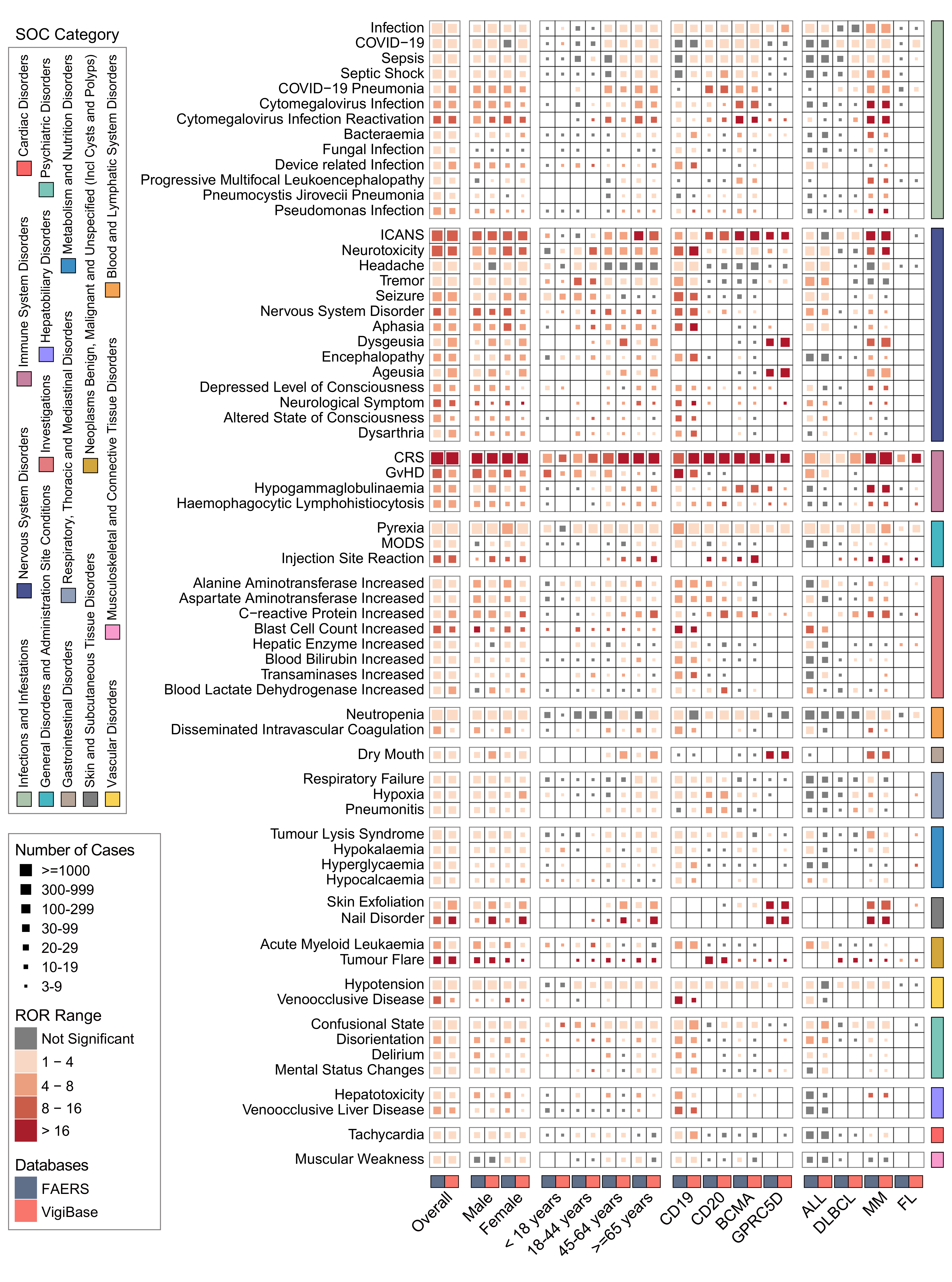
Figure 3. Identification of BiTE-associated high-occurrence AEs (BAHO-AEs).
The heatmap displays the ROR for BAHO-AEs (case count ≥ 30). Grouped by SOC, the left and right squares in each cell represent data from FAERS and VigiBase, respectively. The size of the square corresponds to the number of cases, while the color intensity (red) indicates the magnitude of the occurrence ROR. Gray indicates non-significant associations, and blank spaces indicate a case count of fewer than 3. Abbreviations: CRS, Cytokine Release Syndrome; ICANS, Immune Effector Cell-associated Neurotoxicity Syndrome; GvHD, Graft-versus-host Disease; MODS, Multiple Organ Dysfunction Syndrome; ALL, Acute Lymphoblastic Leukemia; DLBCL, Diffuse Large B-Cell Lymphoma; MM, Multiple Myeloma; FL, Follicular Lymphoma.
The BAHO-AE co-occurrence network is characterized by distinct association patterns and complex clinical interrelationships (Figure 4). Clustering was primarily observed among BAHO-AEs from infections and infestations, nervous system disorders, and immune system disorders. Particularly, CRS emerged as the central hub, linking ICANS and other neurotoxicities to bone marrow suppression and infections (e.g., neutropenia, bacteremia, fungal infection), and to systemic derangements including hypotension, hypoxia, and tumor lysis syndrome. The most prominent groupings were the CRS-ICANS-bacteremia triad and CRS-ICANS-HLH hyper-inflammatory cluster. Co-occurrence was also widespread between nervous and psychiatric systems. Confusional state, for example, frequently coincided with neurotoxicity, tremor, and headache (Supplementary Table 10).
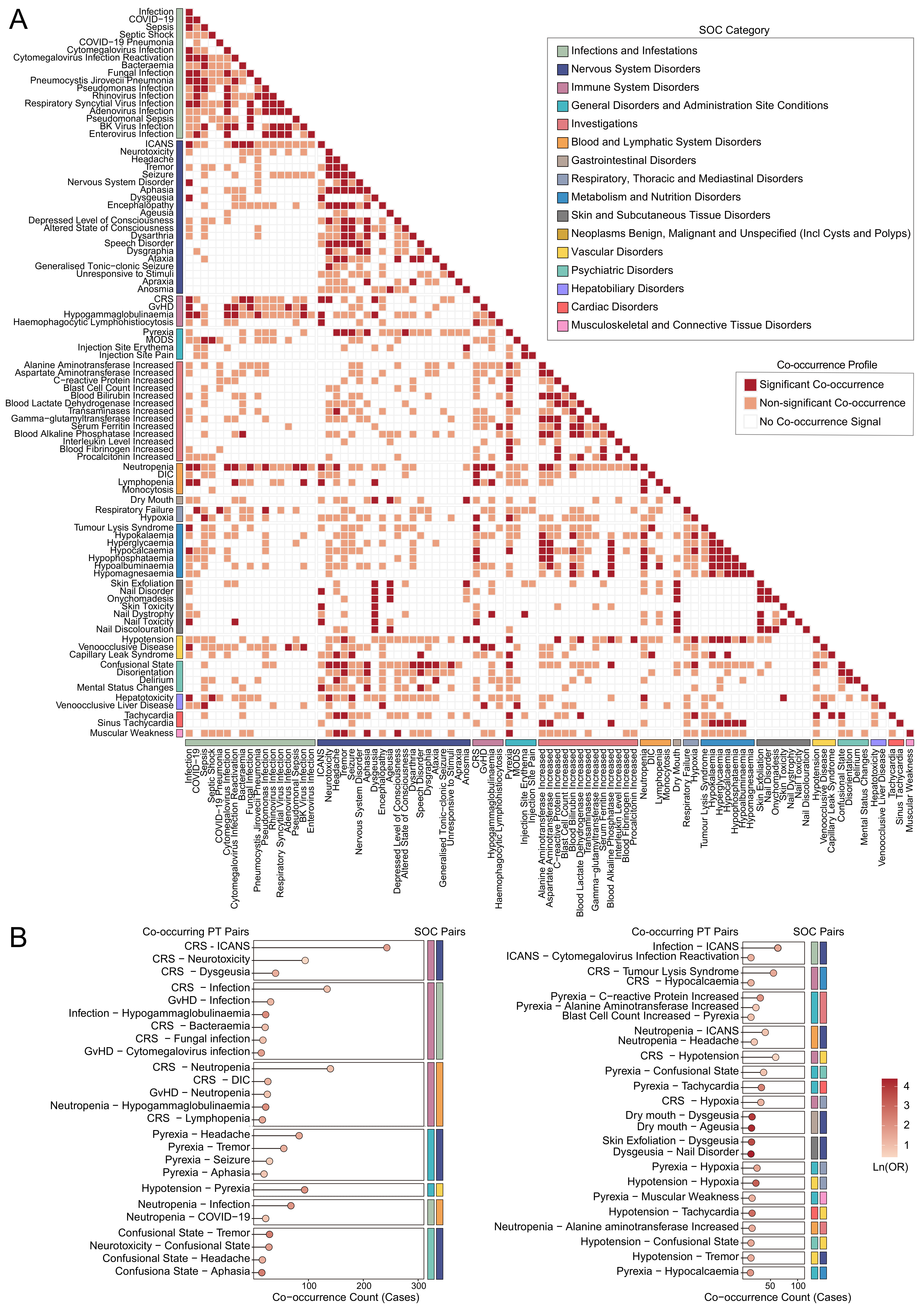
Figure 4. Co-occurrence patterns and cross-system associations of BAHO-AEs.
(A) Pairwise association matrix of BAHO-AEs in FAERS. The co-occurrence risk between event pairs was assessed using Fisher’s exact test, with P-values corrected for multiple hypothesis testing using the Benjamini-Hochberg method. The heatmap includes only PTs meeting the screening criteria (FDR < 0.05, OR > 2, co-occurrence count ≥ 5). PTs are ordered by SOC and frequency. (B) Top 50 cross-SOC co-occurring pairs in FAERS. The lollipop chart displays the most frequent concurrent AEs across different organ systems. The color of the dots represents the log odds ratio, and the x-axis shows the absolute number of co-occurring cases. Abbreviations: CRS, Cytokine Release Syndrome; ICANS, Immune Effector Cell-associated Neurotoxicity Syndrome; GvHD, Graft-versus-host Disease; MODS, Multiple Organ Dysfunction Syndrome; DIC, Disseminated Intravascular Coagulation.
Identification of BAHF-AEs and risk stratification
Thirty-six BAHF-AEs (Figure 5A) were identified, primarily clustered into several major SOCs including infections and infestation, nervous system disorders, immune system disorders and respiratory, thoracic and mediastinal disorders. Representative BAHF-AEs comprised sepsis, septic shock, fungal infection, ICANS, COVID-19 pneumonia and respiratory failure. Among these, sepsis, septic shock, and respiratory failure demonstrated robust mortality risk associations across most subgroups. After adjusting for confounders, 20 BAHF-AEs retained statistical significance in both databases (Supplementary Figure 2B). BAHF-AEs with positive fatality signals only in a single database or AEs without significant fatal signals are detailed in Supplementary Tables 11 and 12.
To delineate a comprehensive safety profile from common to critical events, AE reporting frequency and fatality reporting ratio were integrated to enable BiTE-related AEs to be stratified into three clinical risk patterns (Figure 5B). The first pattern, BAHO-nonBAHF, comprised high prevalence but non-fatal AEs (CRS, pyrexia, etc). The second pattern, BAHO-BAHF included high-frequency AEs with significant fatality signals (ICANS, sepsis, etc). The third pattern, nonBAHO-BAHF, contained non-high frequency AEs but carried substantial fatality risks (pleural effusion, cardiac failure, etc). Notably, some non-BAHF AEs, while lacking significant mortality risks on their own, showed elevated fatality signals when co-occurring with other such AEs (Supplementary Figure 3). Combinations such as CRS with cytomegalovirus infection or atrial fibrillation indicated that concurrent manifestations may confer a synergistic lethality risk beyond that of individual events.
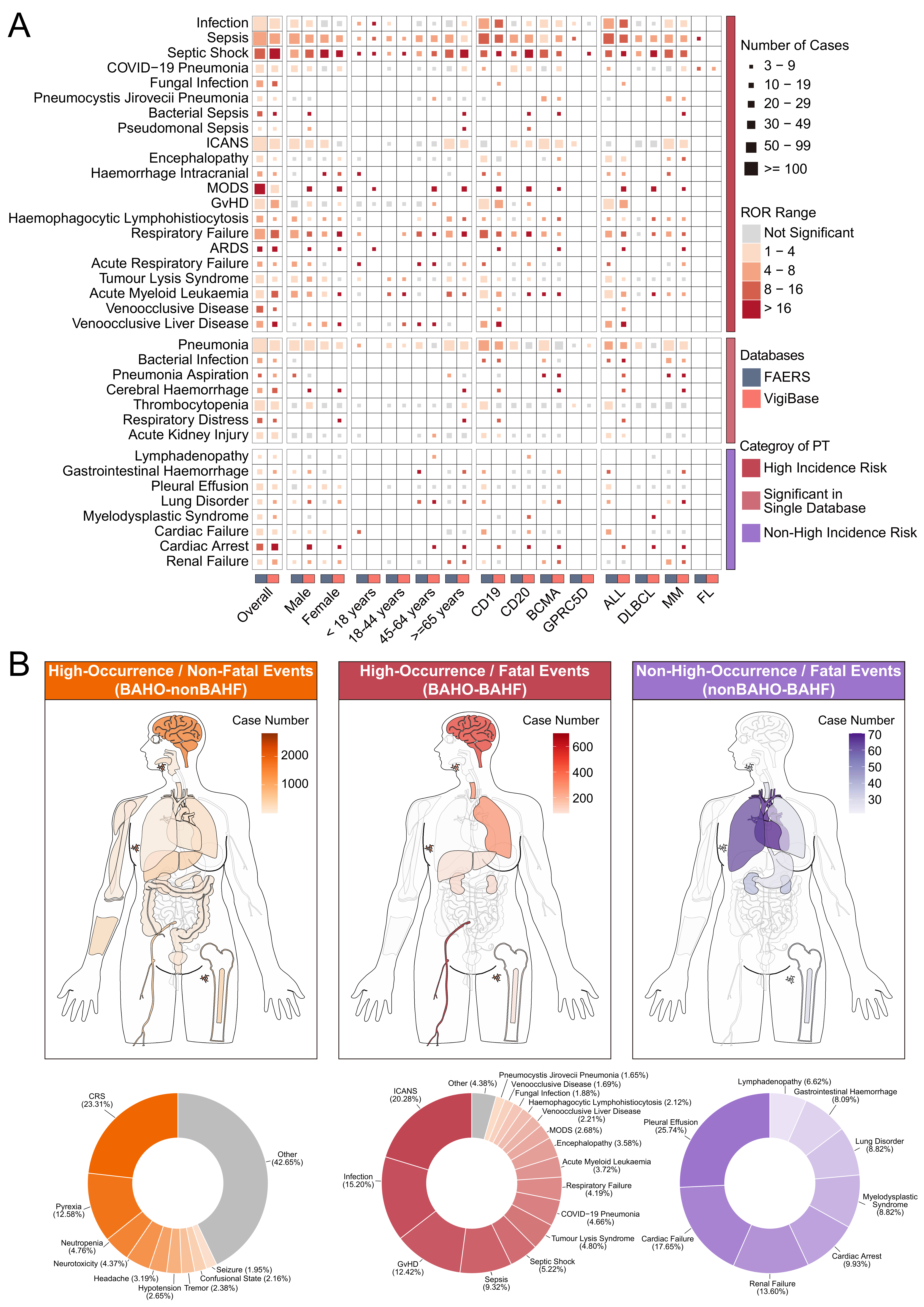
Figure 5. Identification of BiTE-associated high-fatality AEs (BAHF-AEs) and clinical risk classification.
(A) Identification and categorization of BAHF-AEs. Color intensity represents the strength of the fatal ROR signal, and square size represents the number of fatal cases. Based on the significance of occurrence signals in both databases, these fatal PTs were categorized into three groups: “High Occurrence Risk” (significant occurrence in both databases), “Significant in Single Database” (significant in only one database), and “Non-High Occurrence Risk” (significant in neither). (B) Event classification based on occurrence and fatality risks. The human body heatmap demonstrates the classification of AEs into three clinical patterns: (1) High-Occurrence/Non-Fatal Events (high occurrence risk but low fatality risk); (2) High-Occurrence/Fatal Events (high occurrence and high fatality risks); and (3) Non-High-Occurrence/Fatal Events (relatively low occurrence risk but high fatality). For the body maps, each PT was assigned to one anatomical region based on its explicit anatomical site or, when absent, its primary MedDRA SOC; PTs without a unique anatomical correlate were not mapped, and FAERS case counts were summed by organ within each risk pattern. Sectors display the distribution of major PTs within each pattern. Data were derived from the FAERS database. Abbreviations: CRS, Cytokine Release Syndrome; ICANS, Immune Effector Cell-associated Neurotoxicity Syndrome; ARDS, Acute Respiratory Distress Syndrome; GvHD, Graft-versus-Host Disease; MODS, Multiple Organ Dysfunction Syndrome; ALL, Acute Lymphoblastic Leukemia; DLBCL, Diffuse Large B-Cell Lymphoma; MM, Multiple Myeloma; FL, Follicular Lymphoma.
Time to onset analysis of BiTE-related AEs
BiTE-related AEs exhibited a pronounced early-onset trend compared to non-BiTE therapies. TTO was significantly influenced by demographic and clinical characteristics: notably younger age (< 45 years), CD19/GPRC5D targeting, and ALL indication were associated with markedly earlier AE onset (Supplementary Figure 4).
In fatal cases, demographics showed no significant impact, whereas the earlier onset linked to CD19/GPRC5D targets and ALL indication in FAERS (Supplementary Figure 5). Further stratification by clinical risk revealed that “BAHO-nonBAHF” AEs occurred significantly earlier than “BAHO-BAHF” or “nonBAHO-BAHF” groups (Figures 6A & B).
Generally, a higher proportion of SOCs in non-fatal cases showed a median TTO within seven days (60%, 9/15) compared to fatal cases (33%, 5/15; Figure 6C). SOC-level analysis delineated that fatal outcomes in nervous, blood/lymphatic, and hepatobiliary systems were significantly later than their non-fatal counterparts (Figures 6C & D). Infections and respiratory disorders were consistently delayed (28-90 days), whereas immune disorders were consistently early-onset (within seven days; Figure 6D).
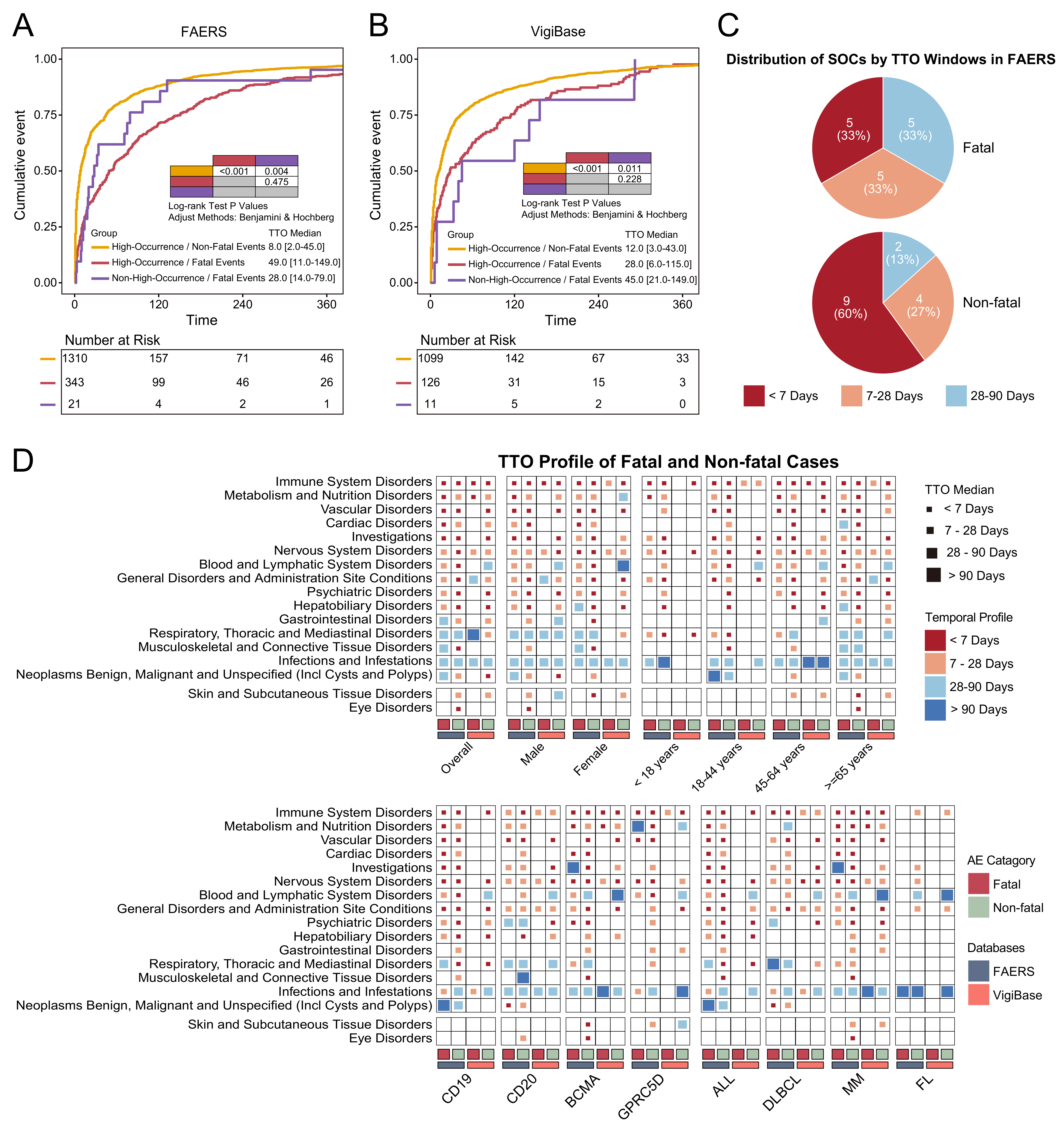
Figure 6. Comparative Time-to-onset (TTO) kinetics of fatal and non-fatal BiTE-associated AEs.
Kaplan-Meier cumulative event curve analyses and TTO profiling were performed using data from FAERS and VigiBase. (A–B) comparisons of TTO profiles among High-Occurrence/Non-Fatal, High-Occurrence/Fatal, and Non-High-Occurrence/Fatal groups. (C) Distribution of System Organ Classes (SOCs) by median TTO time windows (<7, 7–28, and 28–90 days) in FAERS, stratified by fatal and non-fatal outcomes. (D) Overview of TTO profiles for fatal and non-fatal cases stratified by SOCs and subgroups (overall, sex, age, therapeutic targets, and indication). The grid displays TTO characteristics where marker sizes represent TTO median ranges and colors correspond to temporal profiles (<7, 7–28, 28–90, and >90 days), illustrating distinct temporal shifts in specific SOCs (e.g., nervous system, blood and lymphatic system, and hepatobiliary disorders). Abbreviations: SOC, System Organ Class; TTO, Time-to-onset.
Comparative safety analysis between BiTEs and CAR-T therapies
Among BAHO-AEs, the toxicity profiles of BiTE and CAR-T therapies showed distinct patterns (Supplementary Figure 6A). The BiTE therapy had stronger signals in infections and infestations, and hepatobiliary disorders, whereas CAR-T favored stronger signals in immune system, nervous system and psychiatric disorders. Among BAHF-AEs, fatality profiles between BiTE and CAR-T therapies also diverged significantly. Generally, CAR-T reported more and higher fatality threats than BiTE (Supplementary Figure 6B); however, ICANS fatality signal was stronger for BiTEs than CAR-T in FAERS.
Discussion
This study represents the largest post-marketing pharmacovigilance analysis of BiTE safety to date, leveraging a comprehensive evaluation of adverse event profiles, temporal dynamics, and fatality risks. Beyond corroborating known toxicities [13,14,29,30], we systematically mapped the overall toxicity landscape and developed a novel clinical risk stratification framework that integrates incidence with lethality. Collectively, these findings establish an evidence-based foundation for refining risk stratification, optimizing phase-specific monitoring, and advancing precision safety management in BiTE therapy.
Extending the framework established by Sun et al. [31], we integrated BiTE-related AE reporting frequency with the fatal-reports proportion and consequently categorized these AEs into three clinical risk patterns, providing new perspectives for BiTE clinical safety management. Applying this framework, a key contribution of our study is the identification of a distinct subset of relatively rare but highly lethal adverse events, designated as the nonBAHO-BAHF type, such as pleural effusion, cardiac failure, and renal failure. While common non-fatal (BAHO-nonBAHF) and common yet highly fatal (BAHO-BAHF) AEs are largely addressed by existing guidelines through standardized monitoring, prompt intervention, and supportive care [2,32], the nonBAHO-BAHF type presents a unique clinical challenge. Some of these AEs often manifest without typical warning signals. For example, approximately 85% of reported cardiovascular AEs occurred without concurrent CRS and may therefore lack sentinel inflammatory signs such as fever, despite their potentially serious prognostic implications [30,33]. This underscores the critical importance of recognizing nonBAHO-BAHF AEs as a distinct entity requiring heightened clinical vigilance. Clinically, the three risk patterns may be translated into tier-specific monitoring protocols. For BAHO-nonBAHF AEs, such as CRS and pyrexia, surveillance should focus on the step-up and initial full-dose periods, with frequent assessment of temperature, blood pressure, oxygen saturation, and neurologic status. For BAHO-BAHF AEs, such as sepsis and ICANS, early monitoring should be supplemented by serial blood counts and metabolic panels, systematic infection evaluation, structured neurologic assessment, and a low threshold for inpatient escalation. For nonBAHO-BAHF AEs, baseline and longitudinal organ-specific surveillance is particularly important. This may include pretherapy cardiac, renal, and pulmonary assessment; electrocardiography, cardiac biomarkers, and echocardiography in patients with cardiovascular risk factors or abnormal initial findings; serial assessment of renal function, electrolytes, and fluid balance; and close monitoring of respiratory symptoms and oxygen saturation, with a low threshold for chest radiography or ultrasonography when pleural effusion is suspected. For high-risk patients, scheduled cardiopulmonary and renal reassessment should continue beyond the early CRS window. Clinicians should maintain a low threshold for differential diagnosis and initiate prompt and aggressive intervention when these events are suspected, even in the absence of fever or other classic inflammatory symptoms. Notably, we also observed a phenomenon of synergistic lethal risk, wherein certain adverse events that are not highly fatal in isolation exhibit significantly enhanced lethality when they co-occur with other events, such as CRS with atrial fibrillation. Mechanistically, CRS-induced cytokine storms, particularly driven by interleukin-6, contribute to systemic endothelial and cardiac dysfunction. This hyperinflammatory milieu promotes acute pathological cardiac remodeling, which acts as a key driver for subsequent arrhythmias and heart failure. Consequently, the convergence of CRS and atrial fibrillation compounds this structural vulnerability, transforming a manageable arrhythmia into a life-threatening condition that frequently precipitates severe heart failure or hemodynamic collapse [34]. Clinicians should therefore avoid viewing individual AEs in isolation and instead assess the potential for compounded risk when multiple AEs present concurrently.
In this study, CRS not only demonstrated the highest signal intensity across all subgroup analyses but also emerged as a central node in the toxicity network, closely linked to ICANS, other neurotoxicities, myelosuppression, and infections. The mechanistic link between therapeutic efficacy and immune toxicity is rooted in BiTE-induced cytokine release, which is theorized to promote widespread endothelial dysfunction [2,35] through T-cell redirection and activation, triggering a supraphysiological cytokine cascade and subsequent immune-mediated injury characterized by systemic inflammation. The resulting disruption of the blood-brain barrier and inflammatory infiltration mechanistically explain the strong associations among CRS, hypotension, and neurotoxicity [35]. Moreover, the frequent co-occurrence of CRS with neutropenia and infection suggests that CRS-associated hyperinflammation may compromise immune homeostasis through myelosuppression or hemophagocytic-like mechanisms, thereby predisposing patients to secondary infections [36]. Notably, the CRS-ICANS-Bacteremia triad and the CRS–ICANS–HLH hyperinflammatory cluster were identified as the most prominent AE constellations, indicating that the synergistic interaction of CRS with other AEs can drive more severe clinical outcomes.
Generally, patients receiving BiTEs exhibited significantly earlier onset of AEs compared to the non-BiTE group, a pattern consistently observed across most organ systems, with the notable exceptions of infectious and respiratory disorders. This early-onset profile likely reflects the distinct pharmacodynamics of BiTEs, which induce T-cell redirection through immediate physical bridging, thereby precipitating toxicity with a "clock-like predictability" that contrasts sharply with the temporal unpredictability associated with immune checkpoint inhibitors [37,38]. CRS exemplifies this pattern, with a median onset typically within seven days and even as early as 4-16 hours following initial dosing or dose escalation, markedly earlier than most fatal SOC events involving the nervous, blood/lymphatic, and hepatobiliary systems [33]. Notably, isolated CRS, which showed no significant fatality propensity in our study, emerges as the primary contributor to the early-onset AEs (occurring within the first 7 days). This divergence between high incidence and favorable prognosis aligns with clinical observations and this low mortality may be partially attributed to the predictable temporal dynamics of CRS [39,40]. Its defined onset window enables proactive monitoring, while the widespread adoption of standardized guidelines facilitates timely intervention with corticosteroids and/or tocilizumab at early stages, effectively interrupting the cytokine cascade and reducing progression to fatal outcomes [9,33]. However, this early-phase safety profile does not extend to the entire treatment course. A higher proportion of fatal events, particularly infections and respiratory complications, occur during later phases (days 28-90), and long-term risks such as MDS and AML further extend the safety horizon. Together, these temporal patterns underscore the necessity of risk-adapted monitoring strategies: heightened vigilance for early, manageable AEs like CRS during the initial dosing period, coupled with sustained surveillance for late-onset fatal complications and long-term sequelae throughout the entire treatment course and into follow-up.
Neurological toxicities constitute another critical group of BiTE-associated AEs, dominated by ICANS and sensory, motor, and cranial nerve dysfunctions (e.g., ageusia, anosmia, aphasia, dysarthria, dysgraphia). Our findings confirmed the well-established co-occurrence of ICANS and CRS [41], and more notably, we unexpectedly revealed a significant yet under-recognized co-occurrence between psychiatric AEs and neurological toxicities. Consistent with existing literature, advanced age was also identified as a potential risk factor for these psychiatric events [42]. While prevailing pharmacovigilance and clinical trial data indicate that BiTE-treated patients commonly experience altered mental states, including anxiety, insomnia, and behavioral abnormalities, these symptoms rarely progress to life-threatening conditions [43]. However, a growing body of literature suggests that depressive episodes may represent an underrecognized and potentially fatal adverse event during blinatumomab therapy, despite the lack of direct causal evidence [44]. Although no fatal outcomes related to psychiatric disorders were observed in our study, the high co-occurrence of psychiatric and neurological AEs points to a possible shared pathological basis involving CNS immune injury [42]. Notably, comparative analysis revealed distinct BAHF toxicity profiles between BiTE and CAR-T therapies, with the most pronounced differences observed in neurological AEs. While CAR-T therapy was associated with a higher overall burden of fatal threats, our study found a notably stronger lethality signal for ICANS in BiTE-treated patients within the FAERS database. These findings hold important implications for clinical safety management, underscoring the necessity of prioritizing both neurological and psychiatric AEs in the monitoring and management of patients receiving BiTE therapy.
Via subgroup analyses, we also identified distinct target-specific toxicity profiles of BiTE therapies, which partially reflect the divergent tissue distribution patterns of the respective antigens. For anti-GPRC5D BiTE, AE signals were predominantly concentrated within the SOC of skin and subcutaneous tissue disorders. This finding aligns with the biological distribution of GPRC5D, which is expressed not only on plasma cells but also on keratinized tissues, including skin, nails, and tongue papillae, resulting in a similar effect of “on-target, off-tumor” [2]. Our analysis further revealed that anti-BCMA BiTEs are associated with a significantly elevated risk of a broader spectrum of infectious complications, while CD19-targeted BiTEs exhibit heightened signals for neuropsychiatric AEs compared to other targets. These observations are consistent with findings in the literature [45], however, the underlying mechanisms remain poorly understood. Whether these target-specific toxicity patterns stem from intrinsic drug properties or from the underlying pathology of the primary disease indication remains to be elucidated and warrants further investigation.
Several limitations inherent to this study must be acknowledged. First, as spontaneous reporting systems, FAERS and VigiBase are subject to inherent biases, including underreporting, missing data, and reporting bias [21,46]. Although restricting the reference group to patients with HMs reduced confounding by indication, the non-BiTE comparator remained therapeutically heterogeneous and included reports involving other highly toxic treatments, including CAR-T therapy. Because these therapies share toxicities such as CRS, ICANS, cytopenias, and infections, their inclusion may increase the background reporting of these events and attenuate the corresponding BiTE-associated RORs; therefore, residual comparator-selection and treatment-channeling bias cannot be excluded. Although multivariable adjustment and the direct CAR-T sensitivity analysis improved the robustness of our findings, prospective active-comparator studies with detailed treatment histories are needed to further address these limitations. Furthermore, definitive causality cannot be directly established; thus, the identified safety signals require validation through prospective studies. Second, due to the incomplete documentation of treatment history (e.g., heavy chemotherapy or hematopoietic stem cell transplantation), we could not fully exclude the competing risk contribution of prior therapies to the observed adverse events. Additionally, BiTE therapy significantly prolongs survival in patients with R/R HMs; this “survivorship bias” may inadvertently inflate the observed frequency of late-onset adverse events due to extended exposure windows. Future prospective cohort studies should enroll consecutive patients at treatment initiation, apply prespecified longitudinal assessments and standardized follow-up windows, and estimate the risks of late-onset AEs using person-time and competing-risk methods that account for differences in exposure duration and death. Active surveillance registries linking treatment, hospitalization, and mortality records could further ensure systematic outcome capture among both early deaths and long-term survivors, thereby reducing differential follow-up and yielding more reliable estimates of delayed toxicity. Finally, given the extended latency of certain toxicities, the current follow-up duration may not yet capture the full risk landscape. Moreover, critical potential confounders (e.g., genetic background, environmental exposures, COVID-19 infection status) are frequently absent from spontaneous reports.
Conclusion
Leveraging the largest global pharmacovigilance datasets, this study conducted an extensive post-marketing analysis of BiTE therapy and constructed a comprehensive safety landscape. A novel risk stratification framework integrating incidence and fatality was established, identifying three distinct clinical risk patterns. Notably, the analysis uncovered underrecognized nonBAHO-BAHF adverse events and the phenomenon of synergistic lethal risk. Temporal dynamics enabling phase-specific monitoring were delineated, and target-specific toxicity profiles were identified. In conclusion, this study addresses a critical gap in real-world BiTE safety data, providing an evidence-based framework to refine risk stratification and advance precision management of BiTE therapy.
Acknowledgements
None.
Data Sharing Statement
The datasets analyzed during the current study are available in the FAERS, https://www.fda.gov/drugs/questions-and-answers-fdas-adverse-event-reporting-system-faers/fda-adverse-event-reporting-system-faers-public-dashboard, and the VigiBase from Uppsala Monitoring Center, https://who-umc.org/vigibase/vigibase-services/. Notably, VigiBase, the WHO global database of reported potential side effects of medicinal products, developed and maintained by the Uppsala Monitoring Centre, is accessible under specific licensing terms. It is essential to emphasize that the data within VigiBase originate from various sources, and the probability of a suspected adverse effect being linked to a specific drug may vary in different cases. Additionally, we declare that this study does not represent the opinions of the UMC or the World Health Organization.
Funding
None.
Disclosure of Conflicts of Interest
The authors declare that they have no competing interests.
References
[1] KANTARJIAN, H., STEIN, A., GOKBUGET, N., FIELDING, A. K., SCHUH, A. C., RIBERA, J. M., WEI, A., DOMBRET, H., FOA, R., BASSAN, R., ARSLAN, O., SANZ, M. A., BERGERON, J., DEMIRKAN, F., LECH-MARANDA, E., RAMBALDI, A., THOMAS, X., HORST, H. A., BRUGGEMANN, M., KLAPPER, W., WOOD, B. L., FLEISHMAN, A., NAGORSEN, D., HOLLAND, C., ZIMMERMAN, Z. & TOPP, M. S. 2017. Blinatumomab versus Chemotherapy for Advanced Acute Lymphoblastic Leukemia. N Engl J Med, 376, 836-847.
[2] LUDWIG, H., TERPOS, E., VAN DE DONK, N., MATEOS, M. V., MOREAU, P., DIMOPOULOS, M. A., DELFORGE, M., RODRIGUEZ-OTERO, P., SAN-MIGUEL, J., YONG, K., GAY, F., EINSELE, H., MINA, R., CAERS, J., DRIESSEN, C., MUSTO, P., ZWEEGMAN, S., ENGELHARDT, M., COOK, G., WEISEL, K., BROIJL, A., BEKSAC, M., BILA, J., SCHJESVOLD, F., CAVO, M., HAJEK, R., TOUZEAU, C., BOCCADORO, M. & SONNEVELD, P. 2023. Prevention and management of adverse events during treatment with bispecific antibodies and CAR T cells in multiple myeloma: a consensus report of the European Myeloma Network. Lancet Oncol, 24, e255-e269.
[3] HODDER, A., MISHRA, A. K., ENSHAEI, A., BAIRD, S., ELBESHLAWI, I., BONNEY, D., CLESHAM, K., CUMMINS, M., VEDI, A., GIBSON, B., GEORGE, L., INGHAM, D., JIGOULINA, G., LANCASTER, D., LINDSAY, K., MADNI, M., MALONE, A., MITCHELL, B., MOPPETT, J., MOTWANI, J., MOORMAN, A. V., PATRICK, K., SAMRIN, L., TEWARI, S., THAKUR, I., O'CONNOR, D., SAMARASINGHE, S. & VORA, A. 2024. Blinatumomab for First-Line Treatment of Children and Young Persons With B-ALL. J Clin Oncol, 42, 907-914.
[4] LU, J., QIU, H., WANG, Y., ZHOU, X., DAI, H., LU, X., YANG, X., GU, B., HONG, M., MIAO, M., LU, R., WANG, J., WU, Q., XUE, M., WANG, Y., DENG, A., SHEN, Y., LIU, Y., DOU, X., LEI, Y., WU, D., ZHU, Y. & CHEN, S. 2024. Reduced-dose chemotherapy and blinatumomab as induction treatment for newly diagnosed Ph-negative B-cell precursor acute lymphoblastic leukemia: a phase 2 trial. J Hematol Oncol, 17, 79.
[5] DICKINSON, M. J., CARLO-STELLA, C., MORSCHHAUSER, F., BACHY, E., CORRADINI, P., IACOBONI, G., KHAN, C., WROBEL, T., OFFNER, F., TRNENY, M., WU, S. J., CARTRON, G., HERTZBERG, M., SUREDA, A., PEREZ-CALLEJO, D., LUNDBERG, L., RELF, J., DIXON, M., CLARK, E., HUMPHREY, K. & HUTCHINGS, M. 2022. Glofitamab for Relapsed or Refractory Diffuse Large B-Cell Lymphoma. N Engl J Med, 387, 2220-2231.
[6] MOREAU, P., GARFALL, A. L., VAN DE DONK, N., NAHI, H., SAN-MIGUEL, J. F., ORIOL, A., NOOKA, A. K., MARTIN, T., ROSINOL, L., CHARI, A., KARLIN, L., BENBOUBKER, L., MATEOS, M. V., BAHLIS, N., POPAT, R., BESEMER, B., MARTINEZ-LOPEZ, J., SIDANA, S., DELFORGE, M., PEI, L., TRANCUCCI, D., VERONA, R., GIRGIS, S., LIN, S. X. W., OLYSLAGER, Y., JAFFE, M., UHLAR, C., STEPHENSON, T., VAN RAMPELBERGH, R., BANERJEE, A., GOLDBERG, J. D., KOBOS, R., KRISHNAN, A. & USMANI, S. Z. 2022. Teclistamab in Relapsed or Refractory Multiple Myeloma. N Engl J Med, 387, 495-505.
[7] CHARI, A., MINNEMA, M. C., BERDEJA, J. G., ORIOL, A., VAN DE DONK, N., RODRIGUEZ-OTERO, P., ASKARI, E., MATEOS, M. V., COSTA, L. J., CAERS, J., VERONA, R., GIRGIS, S., YANG, S., GOLDSMITH, R. B., YAO, X., PILLARISETTI, K., HILDER, B. W., RUSSELL, J., GOLDBERG, J. D. & KRISHNAN, A. 2022. Talquetamab, a T-Cell-Redirecting GPRC5D Bispecific Antibody for Multiple Myeloma. N Engl J Med, 387, 2232-2244.
[8] DüSING, C., GYöRFI, A. H., STüTZ, A. N., LAHU, L. M., DEICHER, F. S., LI, Y. N., BRUCH, P. M., MATEI, A. E., MICU, A., FILLA, T., KOZIEL, S., HöLSCHER, A. S., RöHRICH, M., LORENZ, H. M., CRAMER, M., ANTOCH, G., TIMM, J., ABUSABHA, Y., RUCK, T., HOMEY, B., KREUTER, A., BUEHRING, B., RADUJKOVIC, A., HEUßEL, C. P., HAGEN, M., GRIESHABER-BOUYER, R., SCHETT, G., BRUNN, A., DIETRICH, S., MERKT, W. & DISTLER, J. H. W. 2026. Bispecific T cell engagers for treatment-refractory autoimmune connective tissue diseases. Nat Med.
[9] LEE, D. W., SANTOMASSO, B. D., LOCKE, F. L., GHOBADI, A., TURTLE, C. J., BRUDNO, J. N., MAUS, M. V., PARK, J. H., MEAD, E., PAVLETIC, S., GO, W. Y., ELDJEROU, L., GARDNER, R. A., FREY, N., CURRAN, K. J., PEGGS, K., PASQUINI, M., DIPERSIO, J. F., VAN DEN BRINK, M. R. M., KOMANDURI, K. V., GRUPP, S. A. & NEELAPU, S. S. 2019. ASTCT Consensus Grading for Cytokine Release Syndrome and Neurologic Toxicity Associated with Immune Effector Cells. Biol Blood Marrow Transplant, 25, 625-638.
[10] TIAN, Z., LIU, M., ZHANG, Y. & WANG, X. 2021. Bispecific T cell engagers: an emerging therapy for management of hematologic malignancies. J Hematol Oncol, 14, 75.
[11] SHERMAN, R. E., ANDERSON, S. A., DAL PAN, G. J., GRAY, G. W., GROSS, T., HUNTER, N. L., LAVANGE, L., MARINAC-DABIC, D., MARKS, P. W., ROBB, M. A., SHUREN, J., TEMPLE, R., WOODCOCK, J., YUE, L. Q. & CALIFF, R. M. 2016. Real-World Evidence - What Is It and What Can It Tell Us? N Engl J Med, 375, 2293-2297.
[12] JIN, X., ZHAO, W., LI, Y. & PENG, H. 2026. Post-marketing safety surveillance of tarlatamab: a real-world pharmacovigilance study based on the FAERS database. Naunyn Schmiedebergs Arch Pharmacol.
[13] ZHANG, Z., GUO, W., CHEN, M., YANG, Q., SONG, X. & WANG, Y. 2025. A real-world pharmacovigilance study of blinatumomab based on the FDA adverse event reporting system. Expert Opin Drug Saf, 1-8.
[14] LE, X., ZHANG, Y. & MA, J. 2025. Comprehensive analysis of adverse events associated with T-cell engagers using the FAERS database. Expert Opin Drug Saf, 24, 821-830.
[15] VERDUN, N. & MARKS, P. 2024. Secondary Cancers after Chimeric Antigen Receptor T-Cell Therapy. N Engl J Med, 390, 584-586.
[16] LEVINE, B. L., PASQUINI, M. C., CONNOLLY, J. E., PORTER, D. L., GUSTAFSON, M. P., BOELENS, J. J., HORWITZ, E. M., GRUPP, S. A., MAUS, M. V., LOCKE, F. L., CICERI, F., RUGGERI, A., SNOWDEN, J., HESLOP, H. E., MACKALL, C. L., JUNE, C. H., SUREDA, A. M. & PERALES, M. A. 2024. Unanswered questions following reports of secondary malignancies after CAR-T cell therapy. Nat Med, 30, 338-341.
[17] LIANG, X., LUO, B., LIN, B., LIU, D., GUO, J., LU, W., TIAN, S., CAI, Z., ZHOU, X., JIN, Z., LI, T., CHEN, K., ZHOU, H. & WANG, L. 2025. Characteristics of second primary malignancies following bispecific antibodies therapy. J Immunother Cancer, 13.
[18] LI, H., SUN, X., SUN, D., ZHAO, J., XU, Z., ZHAO, P., MA, Z. & ZHANG, Y. 2021. Thromboembolic events associated with immune checkpoint inhibitors: A real-world study of data from the food and drug administration adverse event reporting system (FAERS) database. Int Immunopharmacol, 98, 107818.
[19] LINDQUIST, M. 2008. VigiBase, the WHO Global ICSR Database System: Basic Facts. Drug information journal : DIJ / Drug Information Association, 42, 409-419.
[20] ZHOU, C., PENG, S., LIN, A., JIANG, A., PENG, Y., GU, T., LIU, Z., CHENG, Q., ZHANG, J. & LUO, P. 2023. Psychiatric disorders associated with immune checkpoint inhibitors: a pharmacovigilance analysis of the FDA Adverse Event Reporting System (FAERS) database. EClinicalMedicine, 59, 101967.
[21] SHEN, J., HU, R., LIN, A., JIANG, A., TANG, B., LIU, Z., CHENG, Q., MIAO, K., ZHANG, J. & LUO, P. 2024. Characterization of second primary malignancies post CAR T-cell therapy: real-world insights from the two global pharmacovigilance databases of FAERS and VigiBase. EClinicalMedicine, 73, 102684.
[22] KHALEEL, M. A., KHAN, A. H., GHADZI, S. M. S., ADNAN, A. S. & ABDALLAH, Q. M. 2022. A Standardized Dataset of a Spontaneous Adverse Event Reporting System. Healthcare (Basel), 10.
[23] GASTALDON, C., ARZENTON, E., RASCHI, E., SPIGSET, O., PAPOLA, D., OSTUZZI, G., MORETTI, U., TRIFIRò, G., BARBUI, C. & SCHORETSANITIS, G. 2023. Neonatal withdrawal syndrome following in utero exposure to antidepressants: a disproportionality analysis of VigiBase, the WHO spontaneous reporting database. Psychol Med, 53, 5645-5653.
[24] CASTER, O., AOKI, Y., GATTEPAILLE, L. M. & GRUNDMARK, B. 2020. Disproportionality Analysis for Pharmacovigilance Signal Detection in Small Databases or Subsets: Recommendations for Limiting False-Positive Associations. Drug Saf, 43, 479-487.
[25] GRUNDMARK, B., HOLMBERG, L., GARMO, H. & ZETHELIUS, B. 2014. Reducing the noise in signal detection of adverse drug reactions by standardizing the background: a pilot study on analyses of proportional reporting ratios-by-therapeutic area. European Journal of Clinical Pharmacology, 70, 627-635.
[26] DOLLADILLE, C., EDERHY, S., SASSIER, M., CAUTELA, J., THUNY, F., COHEN, A. A., FEDRIZZI, S., CHRETIEN, B., DA-SILVA, A., PLANE, A. F., LEGALLOIS, D., MILLIEZ, P. U., LELONG-BOULOUARD, V. & ALEXANDRE, J. 2020. Immune Checkpoint Inhibitor Rechallenge After Immune-Related Adverse Events in Patients With Cancer. JAMA Oncol, 6, 865-871.
[27] ZHOU, C., LIN, A., ZHANG, J. & LUO, P. 2022. MOAHIT: a web tool for visualizing tumor multi-omics data with human anatomy heatmaps. bioRxiv, 2022.09.07.506938.
[28] GINESTET, C. 2011. ggplot2: Elegant Graphics for Data Analysis. Journal of the Royal Statistical Society Series A: Statistics in Society, 174, 245-246.
[29] HU, R., SHEN, J., LUO, P., ZHANG, H. & HE, Y. 2025. Real-world Hepatobiliary Toxicity After Bispecific T-Cell Engager Therapy: A 10-Year Disproportionality Analysis of the Food and Drug Administration Adverse Event Reporting System and the World Health Organization's Global Individual Case Safety Report Database. Clin Ther, 47, 1069-1075.
[30] SAYED, A., MUNIR, M., GHAZI, S. M., FERDOUSI, M., KRISHAN, S., SHAABAN, A., HABIB, A., KOLA-KEHINDE, O., RUZ, P., KHAN, S., SHARMA, S., MEARA, A., MAHMOOD, S., FELDMAN, S., YANG, E. H., KIM, J., EPPERLA, N. & ADDISON, D. 2024. Cardiovascular toxicities associated with bispecific T-cell engager therapy. J Immunother Cancer, 12.
[31] SUN, Z., GUO, J., LIU, M., WANG, H., LI, Z., SHEN, W., WANG, S., ZHU, H., LIU, X., LI, J., OUYANG, Y., ZHU, Y., YE, Z., XING, S., CHEN, G. & JIN, H. 2025. Prognostic implications of adverse events associated with CAR-T cell therapy: a population-based global observational study. EClinicalMedicine, 90, 103623.
[32] CROMBIE, J. L., GRAFF, T., FALCHI, L., KARIMI, Y. H., BANNERJI, R., NASTOUPIL, L., THIEBLEMONT, C., URSU, R., BARTLETT, N., NACHAR, V., WEISS, J., OSTERSON, J., PATEL, K., BRODY, J., ABRAMSON, J. S., LUNNING, M., SHAH, N. N., AYED, A., KAMDAR, M., PARSONS, B., CAIMI, P., FLINN, I., HERRERA, A., SHARMAN, J., MCKENNA, M., ARMAND, P., KAHL, B., SMITH, S., ZELENETZ, A., BUDDE, L. E., HUTCHINGS, M., PHILLIPS, T. & DICKINSON, M. 2024. Consensus recommendations on the management of toxicity associated with CD3×CD20 bispecific antibody therapy. Blood, 143, 1565-1575.
[33] GERAUD, A., HUESO, T., LAPARRA, A., BIGE, N., OUALI, K., CAUQUIL, C., STOCLIN, A., DANLOS, F. X., HOLLEBECQUE, A., RIBRAG, V., GAZZAH, A., GOLDSCHMIDT, V., BALDINI, C., SUZZONI, S., BAHLEDA, R., BESSE, B., BARLESI, F., LAMBOTTE, O., MASSARD, C., MARABELLE, A., CASTILLA-LLORENTE, C., CHAMPIAT, S. & MICHOT, J. M. 2024. Reactions and adverse events induced by T-cell engagers as anti-cancer immunotherapies, a comprehensive review. Eur J Cancer, 205, 114075.
[34] RADDATZ, M. A., STEIN-MERLOB, A. F., MAHMOOD, S. S., GANATRA, S., ADDISON, D., LIN, T. L., LARSON, S. M. & YANG, E. H. 2026. Cardiotoxicity of T cell immunotherapies. Nat Rev Cardiol.
[35] GUST, J., HAY, K. A., HANAFI, L. A., LI, D., MYERSON, D., GONZALEZ-CUYAR, L. F., YEUNG, C., LILES, W. C., WURFEL, M., LOPEZ, J. A., CHEN, J., CHUNG, D., HARJU-BAKER, S., OZPOLAT, T., FINK, K. R., RIDDELL, S. R., MALONEY, D. G. & TURTLE, C. J. 2017. Endothelial Activation and Blood-Brain Barrier Disruption in Neurotoxicity after Adoptive Immunotherapy with CD19 CAR-T Cells. Cancer Discov, 7, 1404-1419.
[36] GOALA, P., ZHANG, Y., BEATTY, N., PAVY, A., MCSAIN, S., SAILER, C., TARIQ, M. J., HAMID, S., CORTES GOMEZ, E., WANG, J., MASSILLON, D., ILECKI, M., BOUCHER, J. C., SAVID-FRONTERA, C., LEE, S. B., KOTANI, H., STONE, M. L., JAIN, M. D. & DAVILA, M. L. 2026. IFN-gamma-driven skewing towards Th1 over Th17 differentiation underlies CRS and neutropenia in CAR-T therapy. J Clin Invest, 136.
[37] SLANEY, C. Y., WANG, P., DARCY, P. K. & KERSHAW, M. H. 2018. CARs versus BiTEs: A Comparison between T Cell-Redirection Strategies for Cancer Treatment. Cancer Discov, 8, 924-934.
[38] MARTINS, F., SOFIYA, L., SYKIOTIS, G. P., LAMINE, F., MAILLARD, M., FRAGA, M., SHABAFROUZ, K., RIBI, C., CAIROLI, A., GUEX-CROSIER, Y., KUNTZER, T., MICHIELIN, O., PETERS, S., COUKOS, G., SPERTINI, F., THOMPSON, J. A. & OBEID, M. 2019. Adverse effects of immune-checkpoint inhibitors: epidemiology, management and surveillance. Nat Rev Clin Oncol, 16, 563-580.
[39] MUNSHI, N. C., ANDERSON, L. D., JR., SHAH, N., MADDURI, D., BERDEJA, J., LONIAL, S., RAJE, N., LIN, Y., SIEGEL, D., ORIOL, A., MOREAU, P., YAKOUB-AGHA, I., DELFORGE, M., CAVO, M., EINSELE, H., GOLDSCHMIDT, H., WEISEL, K., RAMBALDI, A., REECE, D., PETROCCA, F., MASSARO, M., CONNARN, J. N., KAISER, S., PATEL, P., HUANG, L., CAMPBELL, T. B., HEGE, K. & SAN-MIGUEL, J. 2021. Idecabtagene Vicleucel in Relapsed and Refractory Multiple Myeloma. N Engl J Med, 384, 705-716.
[40] MARTIN, T., USMANI, S. Z., BERDEJA, J. G., AGHA, M., COHEN, A. D., HARI, P., AVIGAN, D., DEOL, A., HTUT, M., LESOKHIN, A., MUNSHI, N. C., O'DONNELL, E., STEWART, A. K., SCHECTER, J. M., GOLDBERG, J. D., JACKSON, C. C., YEH, T. M., BANERJEE, A., ALLRED, A., ZUDAIRE, E., DERAEDT, W., OLYSLAGER, Y., ZHOU, C., PACAUD, L., MADDURI, D., JAKUBOWIAK, A., LIN, Y. & JAGANNATH, S. 2023. Ciltacabtagene Autoleucel, an Anti-B-cell Maturation Antigen Chimeric Antigen Receptor T-Cell Therapy, for Relapsed/Refractory Multiple Myeloma: CARTITUDE-1 2-Year Follow-Up. J Clin Oncol, 41, 1265-1274.
[41] JAIN, T. & LITZOW, M. R. 2020. Management of toxicities associated with novel immunotherapy agents in acute lymphoblastic leukemia. Ther Adv Hematol, 11, 2040620719899897.
[42] DEAK, D., POP, C., ZIMTA, A. A., JURJ, A., GHIAUR, A., PASCA, S., TEODORESCU, P., DASCALESCU, A., ANTOHE, I., IONESCU, B., CONSTANTINESCU, C., ONACIU, A., MUNTEANU, R., BERINDAN-NEAGOE, I., PETRUSHEV, B., TURCAS, C., ILUTA, S., SELICEAN, C., ZDRENGHEA, M., TANASE, A., DANAILA, C., COLITA, A., COLITA, A., DIMA, D., CORIU, D., EINSELE, H. & TOMULEASA, C. 2019. Let's Talk About BiTEs and Other Drugs in the Real-Life Setting for B-Cell Acute Lymphoblastic Leukemia. Front Immunol, 10, 2856.
[43] GAO, W., YU, J., SUN, Y., SONG, Z., LIU, X., HAN, X., LI, L., QIU, L., ZHOU, S., QIAN, Z., WANG, X. & ZHANG, H. 2025. Adverse events in the nervous system associated with blinatumomab: a real-world study. BMC Med, 23, 72.
[44] PULTE, E. D., VALLEJO, J., PRZEPIORKA, D., NIE, L., FARRELL, A. T., GOLDBERG, K. B., MCKEE, A. E. & PAZDUR, R. 2018. FDA Supplemental Approval: Blinatumomab for Treatment of Relapsed and Refractory Precursor B-Cell Acute Lymphoblastic Leukemia. Oncologist, 23, 1366-1371.
[45] NATH, K., SHEKARKHAND, T., NEMIROVSKY, D., DERKACH, A., COSTA, B. A., NISHIMURA, N., FARZANA, T., RUEDA, C., CHUNG, D. J., LANDAU, H. J., LAHOUD, O. B., SCORDO, M., SHAH, G. L., HASSOUN, H., MACLACHLAN, K., KORDE, N., SHAH, U. A., TAN, C. R., HULTCRANTZ, M., GIRALT, S. A., USMANI, S. Z., SHAHID, Z., MAILANKODY, S. & LESOKHIN, A. M. 2024. Comparison of infectious complications with BCMA-directed therapies in multiple myeloma. Blood Cancer J, 14, 88.
[46] GU, T., JIANG, A., ZHOU, C., LIN, A., CHENG, Q., LIU, Z., ZHANG, J. & LUO, P. 2023. Adverse reactions associated with immune checkpoint inhibitors and bevacizumab: A pharmacovigilance analysis. Int J Cancer, 152, 480-495.
Supplementary Materials
Supplementary Methods. Disproportionality analysis and ROR calculation.
Supplementary Table 1. Search terms for hematological malignancies in MedDRA 25.1.
Supplementary Table 3. Contingency table for adverse drug reaction association risk.
Supplementary Table 4. Contingency table for fatality risk.
Supplementary Table 10. High-risk syndromes associated with BiTE-related adverse events.
Supplementary Figure 1. Identification of BAHO-AEs.
Supplementary Figure 2. Multivariate sensitivity analysis of BAHO-AEs and BAHF-AEs.
Supplementary Figure 3. Synergistic fatality risk of concurrent adverse events.
Supplementary Figure 4. TTO kinetics of BiTE-associated AEs.
Supplementary Figure 5. TTO kinetics of BiTE-associated AEs in fatal cases.
Supplementary Figure 6. Comparative safety analysis between BiTEs and CAR-T therapies.